


Basra Tapestry
The


and its

making


Step One
The Crime Board


The Basra Tapestry traces the tale of six women throughout history—each enmeshed within the symbolic economy of the pearl, an object historically burdened with connotations of purity, desirability, and containment. The thread begins at The Birth of Venus, where a woman—nude, unguarded, and placed within a clamshell—reiterating the image of a pearl in its natural shell: luminous, desired, and yet, contained. From this point the threads
unravel across a network of women whose identities have been mediated through myth, morality - figures rendered through the limiting binaries of the virgin & the seductress, and the traps the dichotomy forces upon us. An exploration of redemption is conducted, and patterns are observed - debating the pearl as a beacon of purity, or a harbinger of the unfortunate. The Basra Tapestry acts as both a reflection and a refusal, and often just a
conversation—an excavation of the violence of narrative, historiographic distortion, and inherited visual codes. The Basra Tapestry weaves together their stories, with each piece becoming a line within the critical text- drawn from internal reckonings and historical memory, carried forward not as costume, but as an act of remembrance—so that in the act of wearing, we honour, and we remember what history sought to erase.
1. the birth of venus, by botticelli

the beginning.
2. venus = woman = pearl

venus as every woman;
if venus is within the clamshell, is she not meant to be a pearl?
virtuous, pure.
3. contextualising the pearl

map for symbolism,
meaning, and branching out.
4. finding the afflicted

expanding the web, to find women who bear stories of similar fates and afflictions.
 |  |  |  |  |
|---|---|---|---|---|
 |  |  |  |  |
 |  |  |  |  |
 |  |  |  |  |
 |  |
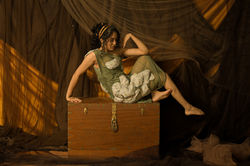
1 painting, original
a spiderweb research board
6 paintings, recreated
Step Two
The timeline
1.
1.
1.
1.
1.
1.
1.
1.
1.
1.
1.
1.
1.
the birth of venus, by
botticelli
dawn of the gods
shows venus, nude in a clamshell
venus as the pearl, as woman, as virtue, as innocence.


1
1.
1.
2
the kidnapping of,
helen of troy
~1185 BC


'and thus troy was doomed to fall, at the hands of a woman'
forced to run away, after a spell was cast upon her by venus after promising her to a man. helen's persecution as a whore, and a harbinger of chaos.
3.
3.
3.
3.
3.
3.
3.
3.
3.
3.
3.
3.
3.
3.
3.
5.
5.
5.
5.
5.
5.
5.
5.
5.
5.
5.
5.
5.
5.
5.
the execution of
anne boleyn
1536 AD
queen consort of england
condemned to death by her husband, king henry viii, for not giving birth to a son. accused of adultery, incest and witchcraft. constantly wore a pearl necklace with her initial. her daughter was the last owner of the medici pearls.


3


the family of
Catherine de Medici
1548 AD
queen consort of france
called a witch, an evil woman, an italian whore, for her shrewdness and survival skills. the first owner of the medici pearls as we know them today.
4
made during her time in embroidery, with metaphors about her innocence,
imprisoned for politics & chess, played by men, her purity questionsed . the second owner of the medici pearls.

_-_Google_Art_Project.jpg)
mary queen of scots, as she embroiders
1570 AD
5
the coronation of,
elizabeth i
~1559 AD
6


the virgin queen
after witnessing her mother's downfall because of a man, elizabeth stayed unmarried, and became the most successful female monacrch england had seen. the final owner of the medici pearls. she frequently wore pearls to remind her court of her purity..

2.
2.
2.
2.
2.
2.
2.
2.
2.
2.
2.
2.
2.
2.
2.
4.
4.
4.
4.
4.
4.
4.
4.
4.
4.
4.
4.
4.
4.
4.
6.
6.
6.
6.
6.
6.
6.
6.
6.
6.
6.
6.
6.
6.
6.


Step Three
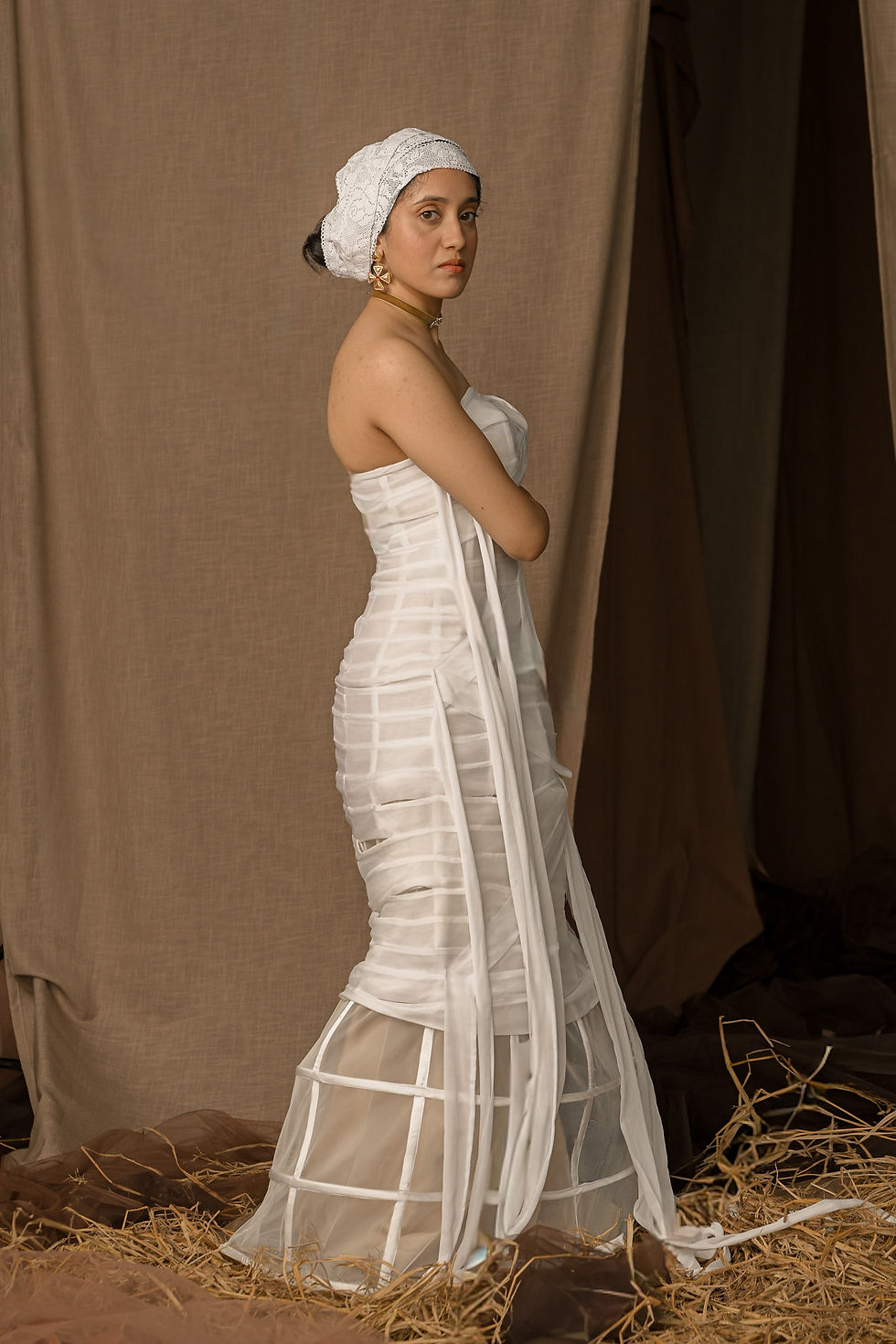
The Garments
COUTURE




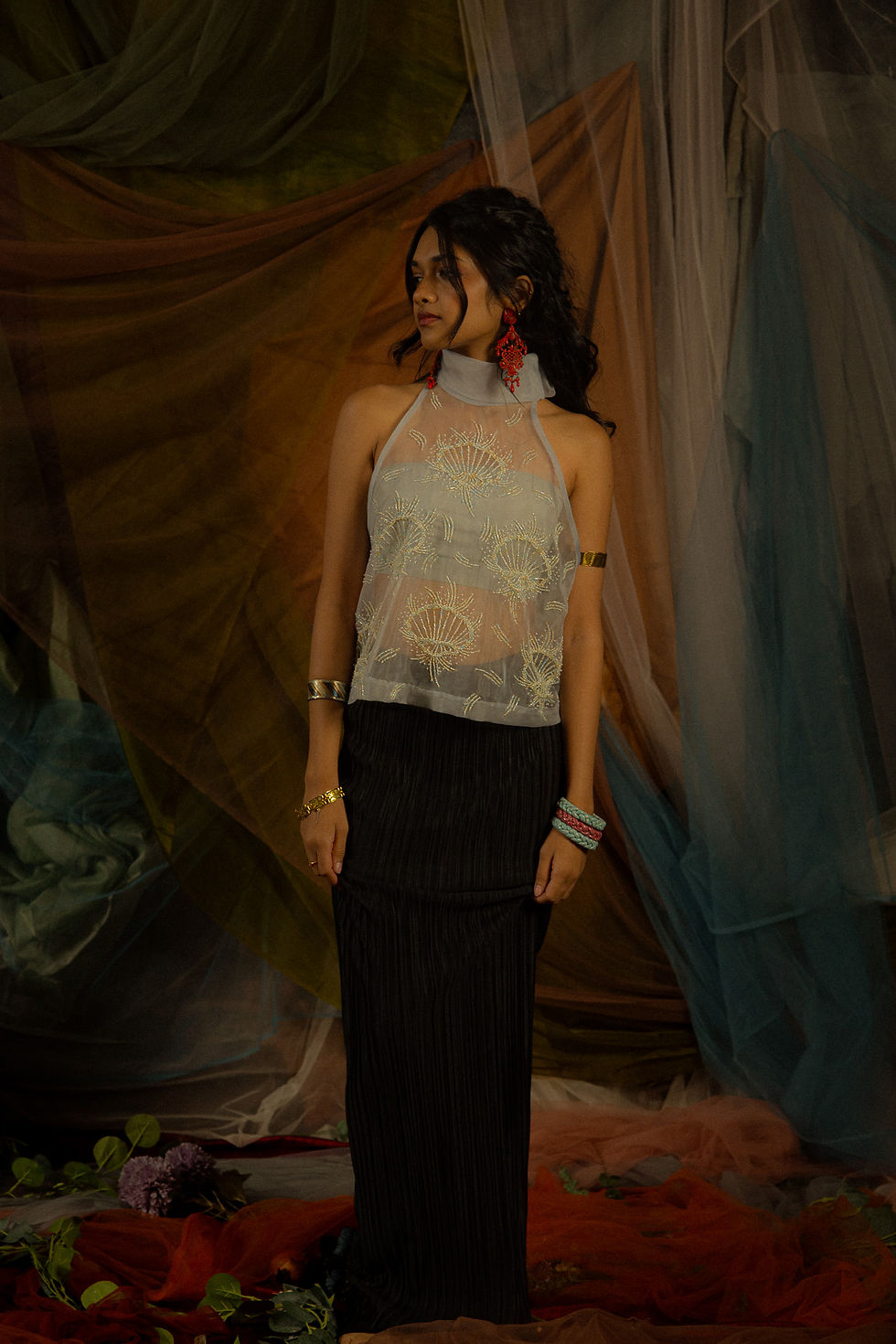


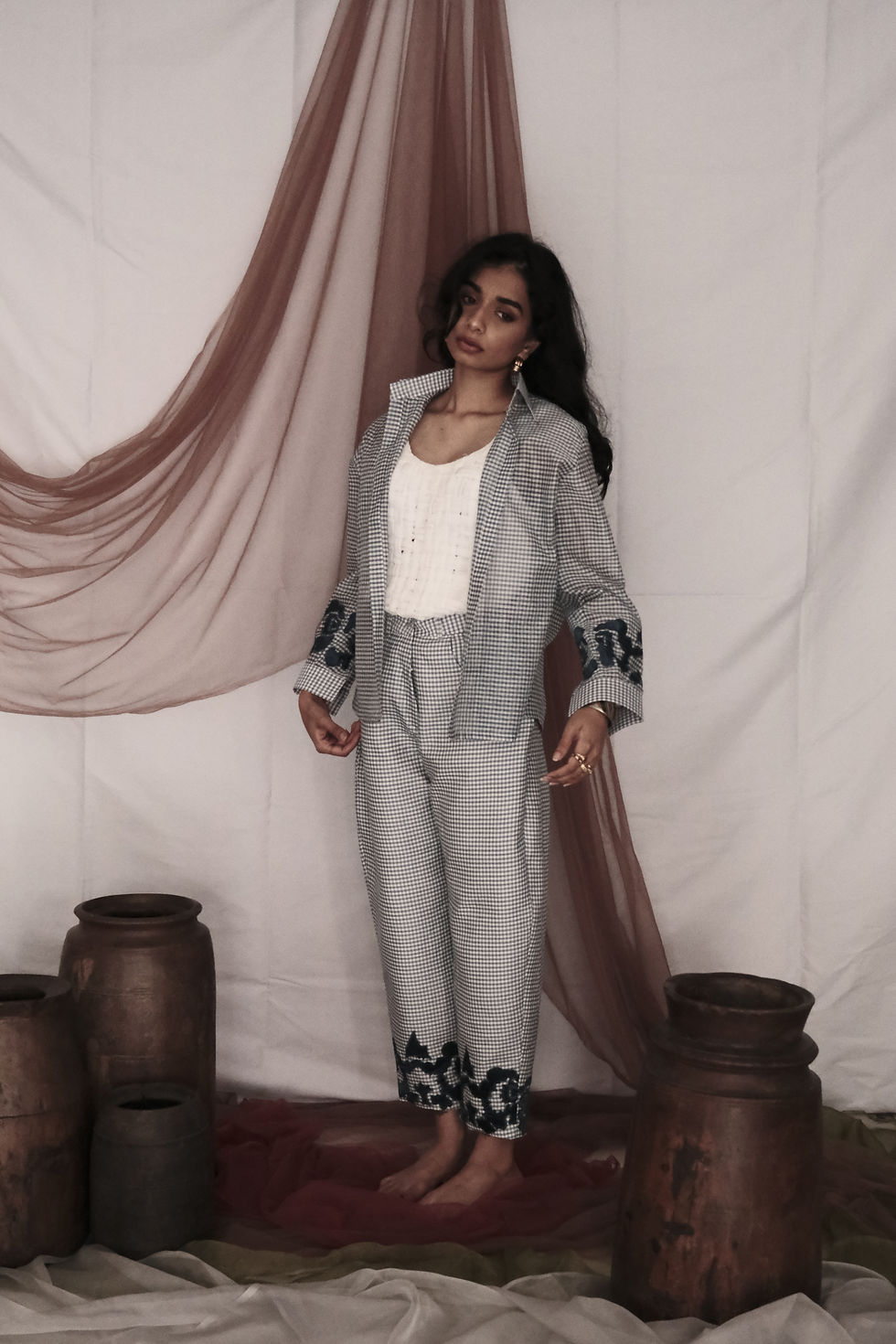


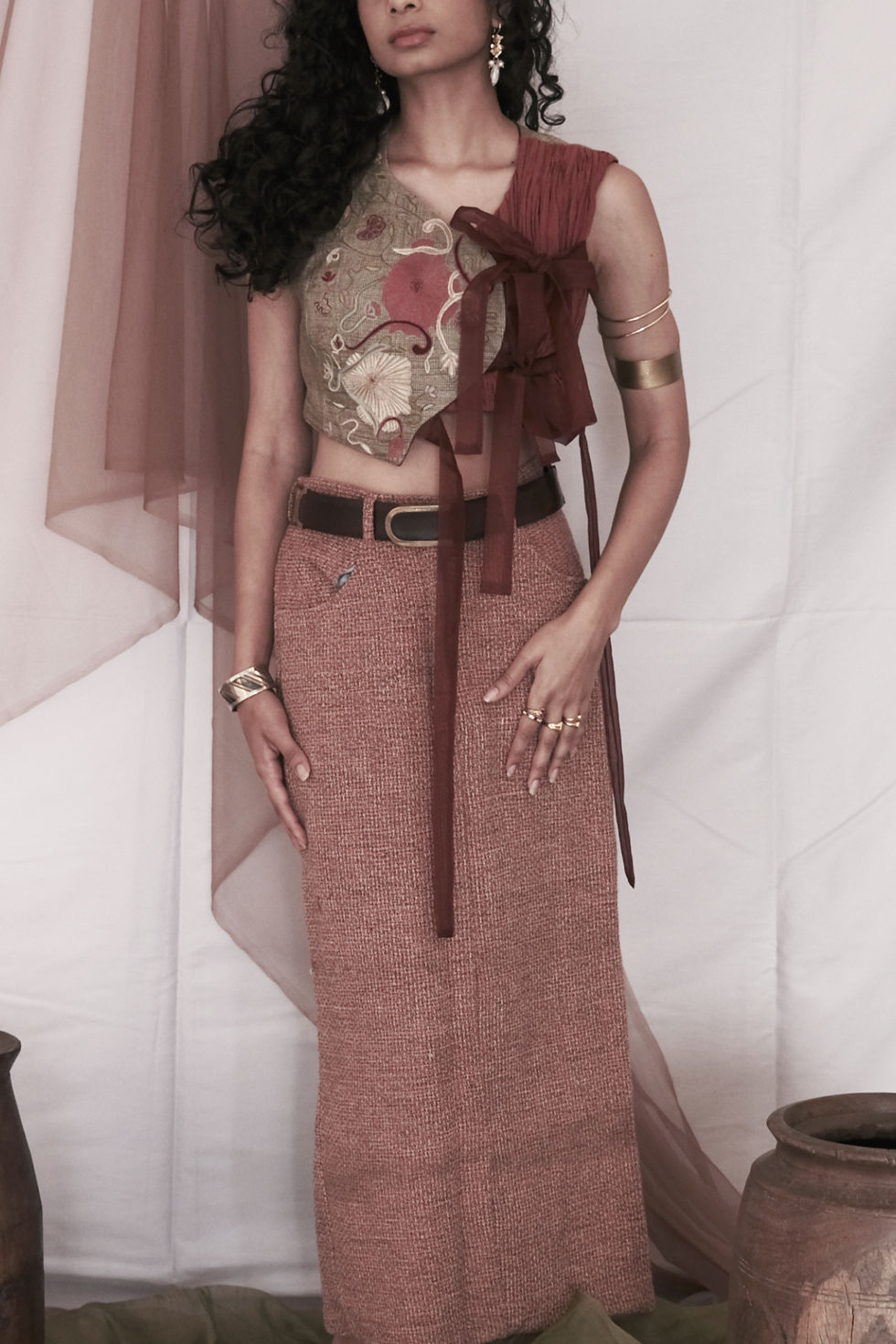


READY TO WEAR

Step Four
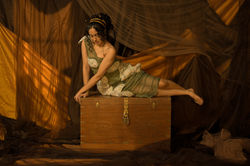
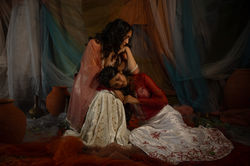
The finale
 |  |  |  |
|---|---|---|---|
 |  |  |  |
 |  |  |  |
 |  |  |  |
 |  |  |  |
 |  |  |  |
 |  |  |  |
 |  |  |  |
 |  |  |  |
 |  |  |  |
 |  |  |  |
 |  |  |  |
 |  |